Is the White Lake area a good place to retire?
For the right person, yes, and probably not for the reasons most retirement articles talk about.
The White Lake area is not built around luxury retirement communities, gated developments, or nonstop resort activity. What it offers is lifestyle rhythm. People who retire to Whitehall and Montague usually want water access, a slower pace, real outdoor living, walkable downtowns, and a year-round community that still functions in February, not just July.
A lot of retirees who land here already have history with the area. They owned a second home, their family vacationed here for years, or they spent childhood summers on White Lake. The question they are working through now is whether the area works full-time, not just seasonally. For many people, the answer is yes, but the move is smarter when you understand what daily life here actually looks like first.
The Lifestyle Fits a Specific Kind of Retiree

Some retirees want constant activity and large entertainment districts. The White Lake area does not draw that buyer. It draws the retiree who wants calmer daily routines, who values the marina culture without needing a resort built around it, who would rather walk to the coffee shop than drive to a lifestyle center.
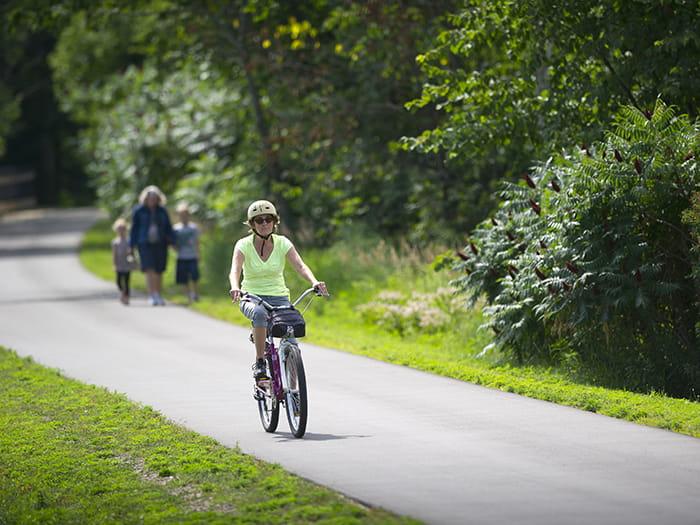
Whitehall and Montague both sit on White Lake near Lake Michigan, and the lifestyle here is built on marinas, boating, the bike trail, walkable downtowns, parks, and a community calendar that runs year-round. The area still reads as residential and lived-in. That matters more after retirement than before, because daily routines stop being interruptions to work and start being your life.
Whitehall and Montague Offer Two Versions of the Same Retirement
Most retirees explore both towns before deciding where they fit. Whitehall tends to feel more walkable, more downtown-oriented, more marina-connected, and a little more active day to day. Montague tends to feel quieter, more residential, more tucked into nature.
The two are connected by the causeway across White Lake and share the same lifestyle, so the decision is really about pace. Retirees who want easier access to restaurants, coffee, and downtown activity often lean Whitehall. Retirees who want quieter streets and less daily movement often lean Montague. Most spend time on both sides before committing.
Healthcare Access Is Better Locally Than Buyers Expect
This is where the article needs to be specific, because most retirement coverage gets this wrong.
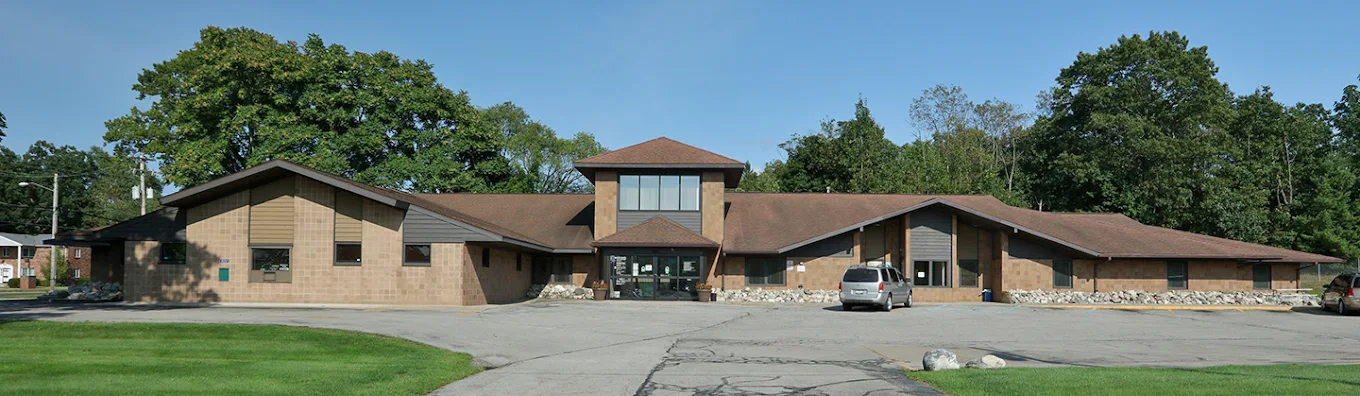
For day-to-day medical needs, the White Lake area has more in town than many retirees realize. There is a Trinity Health walk-in clinic locally, and it does meaningful work: urgent care, on-site x-ray, and on-site blood work, including blood work ordered by an outside doctor. There is also a rehabilitation clinic in the same building, which matters for retirees managing recovery, physical therapy, or post-surgical care.
For everyday specialty care, you have local options too. Family Eye Care of White Lake and Eye Care One handle vision. White Lake Chiropractic is in town. Healing Tree Natural Health is here for naturopathic and wellness care. Dental care is local as well. Pharmacies sit in both downtown Whitehall and downtown Montague, which makes daily prescription pickup straightforward.
For hospital-level care, advanced specialty needs, or major procedures, you are driving to Muskegon, primarily to Trinity Health Muskegon. That drive is manageable in normal weather, less ideal in a winter storm, and worth honestly evaluating if you require frequent specialist visits or ongoing treatment plans. For most retirees the tradeoff is well worth it. But it is the conversation to have honestly before you move full-time, not after.
Walkability Is Real, and It Looks Like a Small Town
Walkability here is not big-city walkability. It is small-town walkability, which for retirees is often what they actually want.
Downtown Whitehall is the more walkable of the two, with restaurants, coffee shops, the pharmacy, marinas, and waterfront all reachable on foot from the surrounding neighborhoods. Downtown Montague is walkable in its own way, with the library and the post office sitting right next to each other, the pharmacy nearby, and quieter sidewalks. The White Lake Community Library on the Whitehall side is a short distance out of downtown but sits along the bike trail, so it is accessible on foot or by bike even though it is not in the walkable core.
For retirees coming from larger cities, the daily routine looks like this: walk for coffee, walk to the pharmacy, walk to the post office, drive for the bigger errand. That balance is exactly what a lot of buyers move here for.
Year-Round Community, Not a Seasonal Stopover
This is the piece that matters most for retirement, and it is also the piece that is easiest to miss until you live here.
The White Lake area runs on year-round community. Residents fill seats at the Playhouse at White Lake for music, theater, and films through the off-season. The library, the parks, and the marinas stay in use. School and town events anchor the calendar.
The local restaurant rhythm tells the story better than anything. Many White Lake area restaurants lean toward morning service, with strong breakfast and coffee culture and earlier closing times. A meaningful share are closed Mondays and Tuesdays. Some places are open later and through the early week, but fewer. That pattern exists because the restaurants are calibrated to the people who actually live here, which is heavily retiree and year-round resident. The breakfast-and-coffee gathering is a real part of the social fabric, and it is one of the clearest signs that the area is built for the lifestyle retirees are actually looking for.
That kind of rhythm only works in a place that still functions in the off-season. The White Lake area does.
Winter Is Real, and So Is the Tradeoff
West Michigan winters are real winters. Lake-effect snow near Lake Michigan can be significant, and the White Lake area is true four-season living. That means snow removal, driveway maintenance, winter driving, home winterization, and yes, paying attention to healthcare access during storms.
Some retirees love this part of the lifestyle. Some find that splitting time seasonally, full-time here from spring through fall, somewhere warmer in deep winter, gives them the best of both. Neither is the wrong choice. The move works best when you are honest with yourself about your comfort level with winter before committing to it full-time.
Michigan Taxes in Brief
Tax planning matters in retirement, and Michigan's retirement income tax rules have been evolving in recent years. How Social Security, pensions, and other retirement income are treated can depend on age, retirement year, and income type. The current rules are best confirmed through the Michigan Department of Treasury rather than guessed at, since the rules are still moving. Property taxes, waterfront ownership costs, township differences, and second-home status are all worth working through with a local advisor and a Realtor® who knows the area.
The Common Path: Second Home First, Retirement Later
A pattern shows up often enough in the White Lake area that it is worth naming. People buy a second home first. They stay longer each year. They build routines, meet people, settle into the pace. Eventually they decide they no longer want the house sitting empty most of the year, and the second home becomes the primary one.
That transition works here because the area supports it. The community is real, the services exist, the lifestyle holds up year-round. The White Lake area is one of the few West Michigan markets where the move from seasonal owner to full-time retiree feels natural rather than like a downgrade.
So Is the White Lake Area a Good Place to Retire?
For the right retiree, yes. The buyer who wants waterfront lifestyle, a real year-round community, walkable small-town downtowns, marina culture, and a pace that feels grounded rather than performative. The area is not flashy and is not trying to be. That is exactly the appeal.
For a retiree who wants the lake without the resort, Whitehall and Montague offer a version of retirement that holds up long term.
If you are considering retirement in the White Lake area and want a clearer picture of neighborhoods, waterfront options, healthcare access, or what year-round life actually looks like here, reach out for a White Lake area conversation.
About the Author
Tamara Hekkema is a Realtor with Greenridge Realty covering West Michigan, with a focused specialty in the White Lake area, including Whitehall and Montague. She works primarily with waterfront and second-home buyers and sellers, and publishes regularly on the local market.
Quick Recap
The White Lake area suits retirees who want a real year-round community, not a seasonal resort
Local healthcare is stronger than most buyers expect: Trinity walk-in with x-ray, blood work, and rehab, plus local specialists, with Muskegon nearby for hospital and specialty care
Walkability is small-town walkability: coffee, pharmacy, post office, library, marinas
The local rhythm, including morning-leaning restaurants and Monday/Tuesday closures, is built for the people who actually live here
Winter is real, the tradeoffs are real, and the move works best when you weigh both honestly