What Is It Like to Live in the White Lake Area Year-Round
If you already own a second home near White Lake, you probably know how good this area feels in summer. The boats are out. The restaurants are busy. The lake is alive. Friends come visit. The sunsets do half the selling for you.
But living here full-time is different. Not bad, just different.
The people who make the best transition from vacation owner to year-round resident are usually the ones who understand what changes when the summer season ends. That means winter, snow removal, healthcare access, grocery routines, internet coverage, school calendars, quieter weekdays, and what the community looks like when the boats are put away. This is the part most people do not think about when they are sitting on the deck in July.
Winter Changes the Daily Rhythm
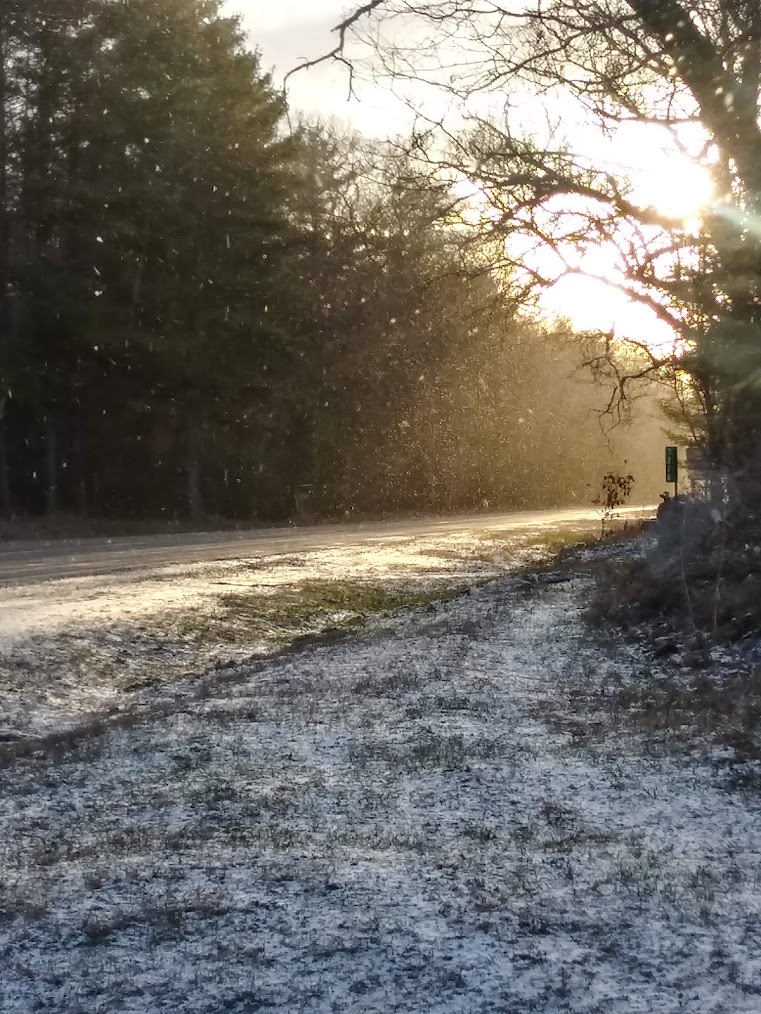
Winter is the biggest adjustment for many second-home owners. West Michigan gets real snow. Visit Muskegon reports average annual snowfall around 93 inches for Muskegon County, and NOAA notes that areas near the Great Lakes can receive heavy lake-effect snow because of their location along the lakeshore.
That matters because Whitehall, Montague, and the White Lake area sit close enough to Lake Michigan to feel that lakeshore winter pattern.
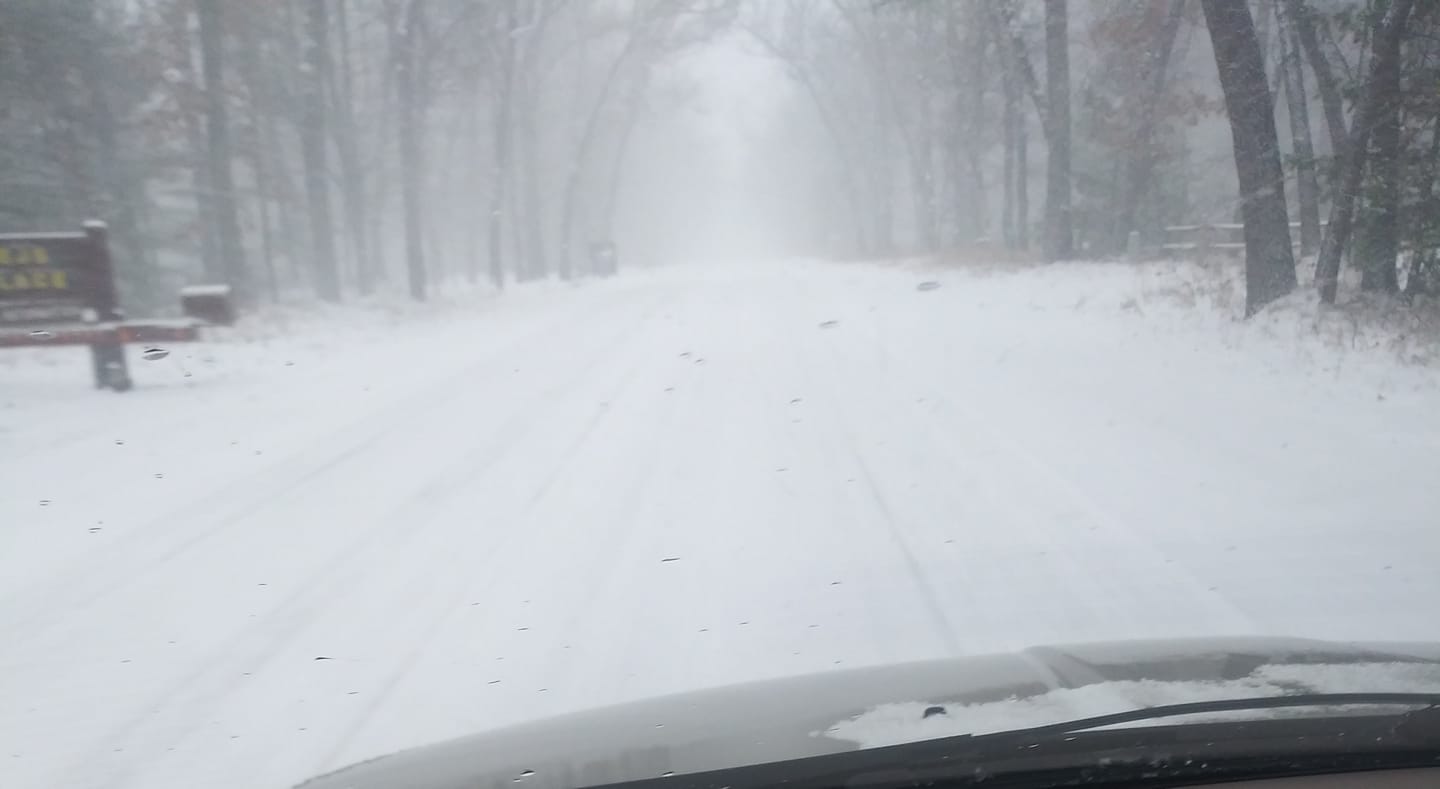
White Lake can freeze during colder winters. Roads get icy. Driveways need plowing. Sidewalks need clearing. The 20-minute drive toward Muskegon for larger shopping or appointments feels different in February than it does in August. This is where I always want people to be honest with themselves.
If you love quiet winters, cozy nights, slower restaurants, and a more local pace, year-round living may fit you beautifully. If you only love the summer version of White Lake, winter may feel longer than expected.
Boating Season Ends, Local Life Keeps Going
For many people, White Lake means boating. That is a huge part of the lifestyle here. But boating is seasonal. Once you get into late fall, boats come out of the water, docks get quieter, marina activity slows down, and the rhythm of the area changes. For many owners, boating season typically winds down around late fall and does not really feel active again until spring.
That does not mean the area shuts down. It means the focus changes.
The Howmet Playhouse in Whitehall is a year-round venue with plays, music, movies, and other events. Performances and programming continue through the off-season, giving residents a consistent cultural anchor when the marinas go quiet.
Book Nook & Java Shop in downtown Montague is another important year-round local anchor. It functions as an indie bookstore, cafe, music venue, and gathering spot with live music, open mic nights, and author events.
That is the difference between visiting and living here. Visitors notice what closes. Residents learn what stays.
April and October Tell You a Lot
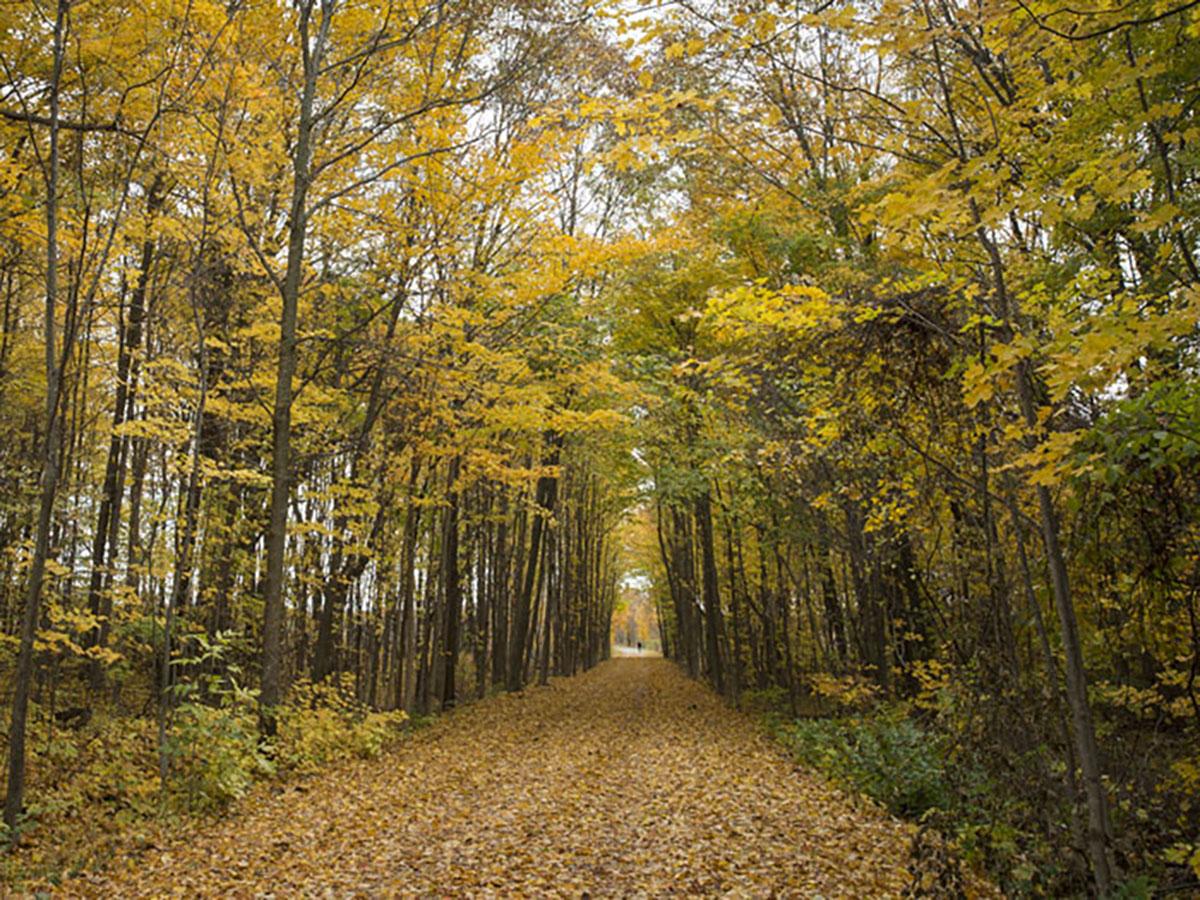
If you are thinking about becoming a full-time resident, spend time here in April and October. Those shoulder seasons tell the truth. Summer is easy to love. Winter is obvious. But April and October show you the in-between version of White Lake.
In April, the area starts waking back up. The lake is still cold. Some seasonal routines have not fully returned. The weather can change fast. In October, the crowds thin out, the colors are beautiful, restaurants feel easier, and locals get a little room to breathe again.
A lot of year-round residents quietly love these months. They are not as flashy as July, but they may be more honest.
Daily Errands Feel Different Full-Time
When you are here for a weekend, it is easy to treat errands like part of the trip. When you live here full-time, errands become part of your weekly rhythm.
For groceries, Whitehall has Aldies, and larger retail options like Meijer are available in Norton Shores and Muskegon. That is not a problem for most residents, but it does require a different mindset than living five minutes from every major store.
Healthcare is similar. For major hospital care, many residents use Trinity Health Muskegon, located on Sherman Boulevard, which includes an emergency department and full surgical services. That access is important, but it is not the same as living inside a larger metro area.
If you have ongoing specialists, frequent appointments, or specific healthcare needs, check drive times in winter before you make a full-time move.
Schools, Libraries, and Community Calendars Matter More Than You Think
If you move here full-time, you start measuring the community differently. It is not just beaches and marinas anymore.
You start noticing:
school sports schedules
library programs
local government meetings
theater calendars
winter events
youth programs
local volunteer opportunities
Whitehall District Schools and Montague Area Public Schools both serve local families in the White Lake area. For families converting from seasonal use to year-round life, schools are often one of the biggest deciding factors.
White Lake Community Library is also a strong year-round signal. The library offers events, adult programs, children's resources, digital library access, meeting room options, and community programming.
That is what full-time life looks like. It becomes less about what you do on vacation and more about what fills your calendar in January, March, and November.
Snow Removal Needs a Plan
This is one of the least glamorous parts of year-round living, but it matters. If you are used to visiting on weekends, snow may feel manageable. If you live here full-time, snow removal becomes part of the plan.
You need to think about:
driveway plowing
walkway clearing
roof and ice concerns
seasonal service providers
where snow piles up
how easy your driveway is to access
whether your road is public, private, or association-maintained
Plowing services can book up before winter. If you are converting a second home into a full-time residence, do not wait until the first storm to figure this out. That one detail can make winter feel manageable or miserable.
Internet and Remote Work Need Address-Level Checking
A lot of second-home owners are considering full-time life because they can work remotely. That can work well here, but internet coverage needs to be checked by address.
Spectrum offers high-speed internet plans in Montague, and AT&T directs customers to check availability by address. Broadband availability tools also show that coverage and speeds can vary by provider and location in Whitehall and Montague. Do not assume because one house has strong internet that the next one does too.
Before buying or converting to full-time:
check exact address availability
ask current owners what they use
test cell service inside the home
ask about outages
confirm upload speeds if you do video calls
Remote work is possible here for many people, but the details matter.
What Changes Emotionally When You Stop Being a Visitor
This is the part nobody puts on a relocation checklist. When you become a resident, your relationship with the area changes. You stop asking, "Where should we eat this weekend?" And start asking, "Who plows this road? Which grocery store works best in winter? What nights does the library have programs? How far is the doctor when the roads are bad? What is open on a Tuesday in February?"
That shift is normal. It does not mean the charm is gone. It means you are seeing the whole place. For the right person, that deeper version of White Lake is even better than the summer version.
So, What Is It Really Like Year-Round?
Year-round life in the White Lake area is quieter, more practical, and more community-based than the summer version. You still get the lake. You still get the sunsets. You still get the trails, marinas, downtowns, and small-town feel. But you also get snow, slower months, longer drives for certain amenities, service planning, winter maintenance, and the reality of living in a lakeshore community after boating season ends.
The people who thrive here are not the ones expecting every month to feel like July. They are the ones who understand the tradeoff and still want the lifestyle.
If you're considering turning your White Lake area vacation home into a full-time residence and want a clear read on neighborhoods, winter realities, waterfront inventory, or what current sellers are seeing, reach out for a White Lake area conversation.
QUICK RECAP
Living near White Lake full-time is different from visiting in summer
Winter brings real snow, quieter roads, and more planning
Boating season slows down, but community life continues
Healthcare, groceries, internet, and snow removal need practical planning
The best full-time residents understand both the summer and off-season lifestyle