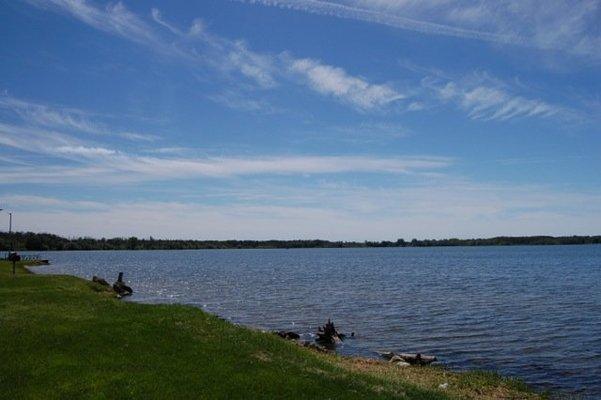
Questions to Ask Before Buying a Vacation Home on White Lake
A vacation home is one of the few purchases people make with their heart first. The view does the selling. The right questions are what keep that view from turning into a headache two summers in. White Lake sits in Muskegon County, Michigan, with Whitehall on one shore and Montague on the other. After years of walking White Lake buyers through this, the offers I feel best about are the ones where we asked the hard questions early, while there was still room to negotiate or walk away. Here is the list I run before anyone falls all the way in.
Start with the water, because you cannot change it
The house you can remodel. The water you are stuck with, so ask about it first. Is this an all-sports lake or a no-wake lake, and does that match how you actually want to spend a Saturday? How much water is under the dock in late August, not just in June, because depth drops as the season goes. Does the lake have a weed or invasive problem, and is there a special assessment funding treatment? On White Lake specifically, ask about the channel to Lake Michigan: can you get a boat out to the big lake, and will your boat clear the bridges. These answers shape your lifestyle more than the paint color ever will.
Ask hard about the frontage and the shoreline
Frontage is what you are paying the premium for, so pin it down. What is the actual frontage footage, not the rounded number in the listing? How old is the seawall, what is it made of, and when was it last inspected? Where does the property line actually meet the water, and who owns the bottomland? And what are the riparian rights, including any shared access or easements that let non-lakefront neighbors reach the water across or near your lot. (Here is what riparian rights mean for White Lake buyers.) These details separate a clean waterfront buy from a boundary dispute waiting to happen.
Look hard at the structure and its systems
Many lake properties started life as seasonal cottages and were added onto over the years. Ask whether this one was built for summers or for all four seasons, because insulation, heat, and plumbing tell very different stories. Is it on a well and septic or city services, and when were they last serviced? How is it winterized, and what does closing it up for the season actually involve? What are the ages of the roof, furnace, and water heater? A charming cottage can be a wonderful buy. You just want to know whether you are buying a retreat or a renovation.
Run the real money questions
The purchase price is only the start. Because a vacation home is not your primary residence, it does not get Michigan's Principal Residence Exemption, so ask what the non-homestead taxes will be, not what the current owner pays. Is the parcel in a FEMA flood zone that will require flood insurance? Are there lake improvement assessments, association dues, or private-road costs? I pull all of this for any property before you offer, because the carrying cost is the number that decides whether the home feels like a joy or a burden. (Here is the full breakdown of what a White Lake waterfront home costs to own.)
If you plan to rent it, ask before you buy, not after
A lot of second-home buyers plan to offset costs with a few weeks of rental income. That plan only works if the rules allow it. Ask what the local short-term rental rules are for that specific municipality, whether the property has any rental history or income to show, and whether an association restricts renting. Buying first and asking later is how people end up with a beautiful home they are not allowed to use the way they planned.
Confirm access and location for the way you will really use it
Ask whether the road is public or private, and if private, who maintains and plows it and what that costs. Is there reliable year-round access, or does winter change the picture? How long is the true drive from Chicago or Indianapolis, door to dock? And if you will work remotely from the lake even a few days, what are the cell signal and internet like. A second home three and a half hours from the city lives very differently than one that turns into a five-hour slog on a Friday.
Finally, ask the seller's story
Sellers know things no inspection will surface. Why are they selling, and how long have they owned it? What would they fix or change if they were staying? What is the lake like in each season, where do they put in and pull out the dock, which neighbors have been here for decades? The best showings turn into conversations, and the best conversations tell you whether this is a home someone loved or a problem someone is ready to hand off.
The questions are the whole job
Anyone can open a door and point at a view. The difference between a specialist and a generalist is the list of questions asked before the offer, and knowing which answers should change the price or end the conversation. That is the work I do for White Lake buyers, so the home you fall for is also the home that holds up. (Start with the full waterfront buying guide.)
Quick Recap
Ask about the water first: all-sports vs no-wake, late-summer depth, weeds and assessments, and channel access to Lake Michigan.
Pin down the frontage, seawall age, bottomland, and riparian rights before you fall in love with the view.
Find out if it was built seasonal or year-round, and check well, septic, winterization, and mechanical ages.
Get the real money picture: non-homestead taxes, flood insurance, lake assessments, and road or association costs.
If you plan to rent, confirm the local rules first. And confirm year-round access and true drive time for how you will use it.
Custom HTML/CSS/JavaScriptCustom HTML/CSS/JavaScriptWhat to Read Next
What You Need to Know Before Buying a Waterfront Home on White Lake
What Are Riparian Rights in Michigan, and Why They Matter for White Lake Buyers
Tamara Hekkema is a licensed real estate agent and REALTOR with Greenridge Realty, serving White Lake, Whitehall, Montague, and the surrounding West Michigan lakeshore. She specializes in waterfront and second-home buyers and sellers, and she believes the right questions asked early are what make a lake home a joy instead of a headache. Have a specific property in mind? Send it over and she will help you ask the right ones.