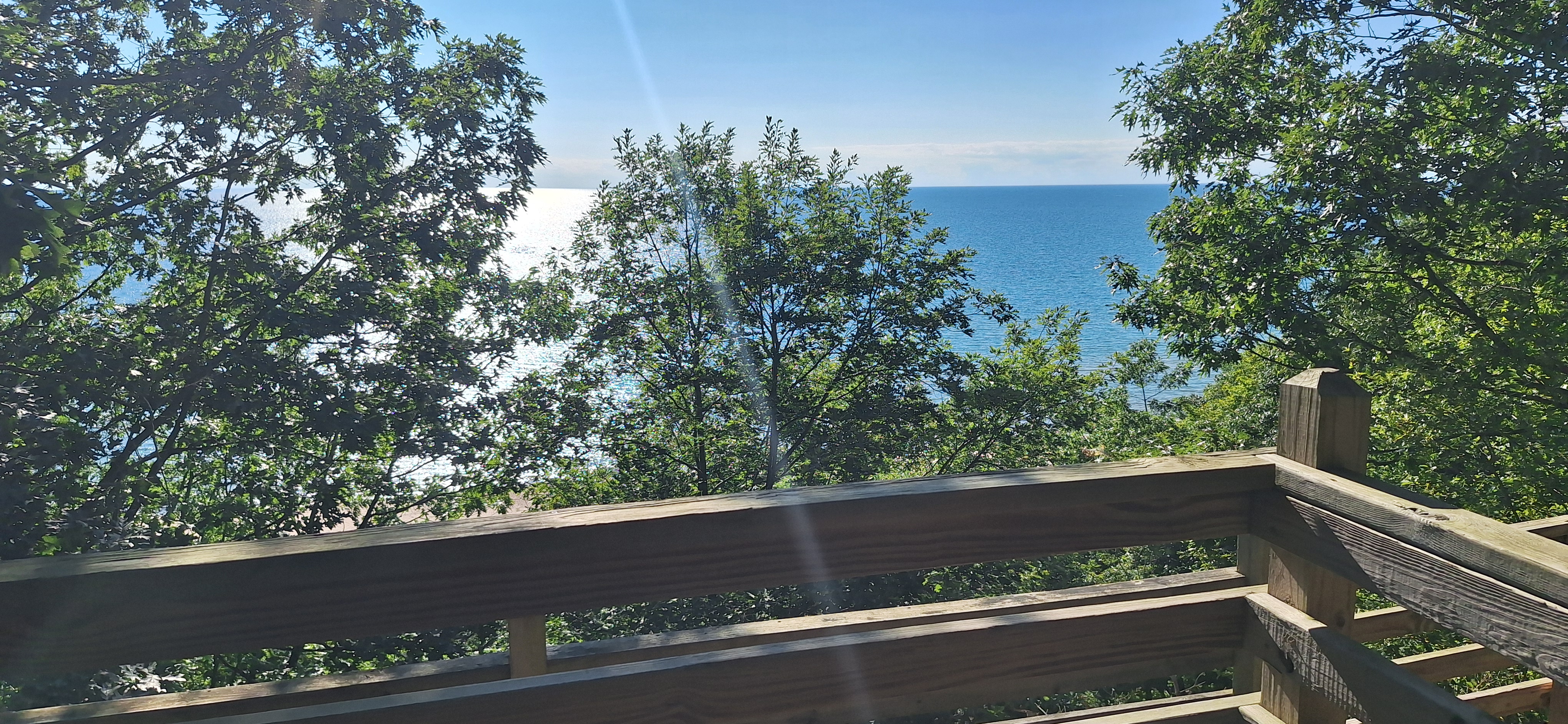
Is West Michigan Waterfront a Good Investment in 2026?
Heading into 2026, a lot of buyers are asking whether West Michigan waterfront still makes sense as an investment, or whether the best days are behind it. It is a fair question, and it deserves a grounded answer rather than a sales pitch. I am a REALTOR, not a financial advisor, so I will not tell you what to do with your money. What I can do is lay out the factors that actually shape the answer for 2026, so you and your advisors can weigh them for your situation.
Scarcity is still the foundation
The core case for waterfront has not changed and will not: the supply of shoreline is fixed. West Michigan can add inland subdivisions, but it cannot add new lake frontage or Lake Michigan coastline. That scarcity is why desirable waterfront has historically held its value well through market cycles, and it is the most durable reason the segment tends to hold up even when broader housing cools. Any 2026 outlook starts here.
Demand drivers to watch in 2026
On the demand side, a few forces matter for our region. Flexible and remote work has made second homes and lakeshore living more viable for buyers from Chicago and Indianapolis, and that appetite has been a real tailwind for West Michigan. Lifestyle migration toward the Great Lakes, and the enduring appeal of the White Lake, Grand Haven, and Muskegon shorelines, continue to draw out-of-state buyers. Whether these hold their pace is worth watching, but the underlying pull of the lakeshore is not a fad.
The rate environment cuts both ways
Interest rates shape affordability and behavior, and they are the biggest 2026 wildcard. Higher rates can cool demand and soften prices, which can actually create opportunity for a cash-ready or patient buyer. Lower rates tend to lift demand and support prices. Rather than guess where rates land, the sound approach is to underwrite your purchase so it works at the rate you can actually get, not the one you hope for. This is exactly the kind of thing to model with your lender and accountant.
Costs and taxes are part of the return
An honest investment view nets out the carrying cost. Non-homestead taxes on a second home, insurance and possible flood coverage, a seawall reserve, and upkeep all reduce the real return, and tax treatment of a second home depends on your situation and current law. None of this undoes the case, but leaving it out overstates the return. The buyers who do well underwrite the full cost and buy sound property. (Here is the full carrying-cost breakdown.)
Property selection matters more than the year
Here is the part that often gets lost in the timing debate: which property you buy matters more than which year you buy it. Solid frontage, good water depth, a sound seawall, the right lake, and access all shape both your enjoyment and your resale far more than shaving a few months off market timing. A great waterfront property bought in an ordinary year tends to outperform a mediocre one bought at a perfect moment. (Here is how frontage type shapes value and risk.)
So, is it a good investment for 2026?
For the right buyer, at the right property, with the full costs understood and the purchase underwritten to a realistic rate, West Michigan waterfront can be both a durable asset and a source of real lifestyle value. For the wrong buyer or the wrong property, it can disappoint. The decision is yours and your advisors', and I am glad to give you the property-level truth and current numbers to inform it. (Here is a deeper look at the second-home investment question.)
Quick Recap
Waterfront's foundation is fixed supply, which is why it has historically held value through cycles.
2026 demand drivers to watch: remote-work-enabled second homes and out-of-state migration to the lakeshore.
Interest rates are the big wildcard. Underwrite to the rate you can actually get, not the one you hope for.
Net out the full carrying cost and your tax situation, which depend on your circumstances and current law.
The property you choose matters more than the exact year. A sound, well-located home outperforms a mediocre one bought at a perfect moment.
Custom HTML/CSS/JavaScriptCustom HTML/CSS/JavaScriptWhat to Read Next
What You Need to Know Before Buying a Waterfront Home on White Lake
White Lake vs Lake Michigan Frontage: Which Suits Your Lifestyle?
Tamara Hekkema is a licensed real estate agent and REALTOR with Greenridge Realty, serving White Lake, Whitehall, Montague, and the surrounding West Michigan lakeshore. She is not a financial advisor, but she helps buyers choose sound, well-located waterfront and understand the real numbers. Weighing a 2026 purchase? Let's look at a specific property together.